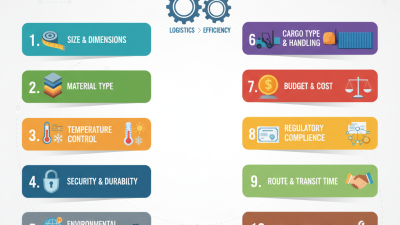
Choosing the best custom made containers in 2026 requires more than comparing catalog prices. Global buyers must examine design accuracy, material quality, supplier experience, and documented compliance. A container may look strong in product photos, yet weak welding or poor drainage can create costly problems.
This guide focuses on practical buying decisions. It considers container dimensions, steel grades, door placement, ventilation, insulation, flooring, coating systems, and lifting points. Buyers should request technical drawings before production begins. They should also confirm load ratings, manufacturing tolerances, inspection procedures, and delivery responsibilities. Independent inspections can reveal uneven welds, damaged seals, or coating defects before shipment. Small details matter.
Standards vary by application and destination. Therefore, buyers should verify applicable transport, construction, safety, and import requirements with qualified local professionals. A reputable manufacturer should provide clear specifications, traceable materials, realistic lead times, and responsive after-sales support. Certifications help, but they do not replace physical inspection or careful contract review.
The strongest choice is not always the cheapest one. A highly customized design may increase manufacturing time, maintenance needs, or future repair costs. Buyers should question every feature and consider how workers will use the container daily. Some decisions remain uncertain until prototypes are tested. That is acceptable. Good procurement leaves room for review, correction, and measurable improvement. This overview will compare reliable container options and explain how global buyers can evaluate suppliers with greater confidence.
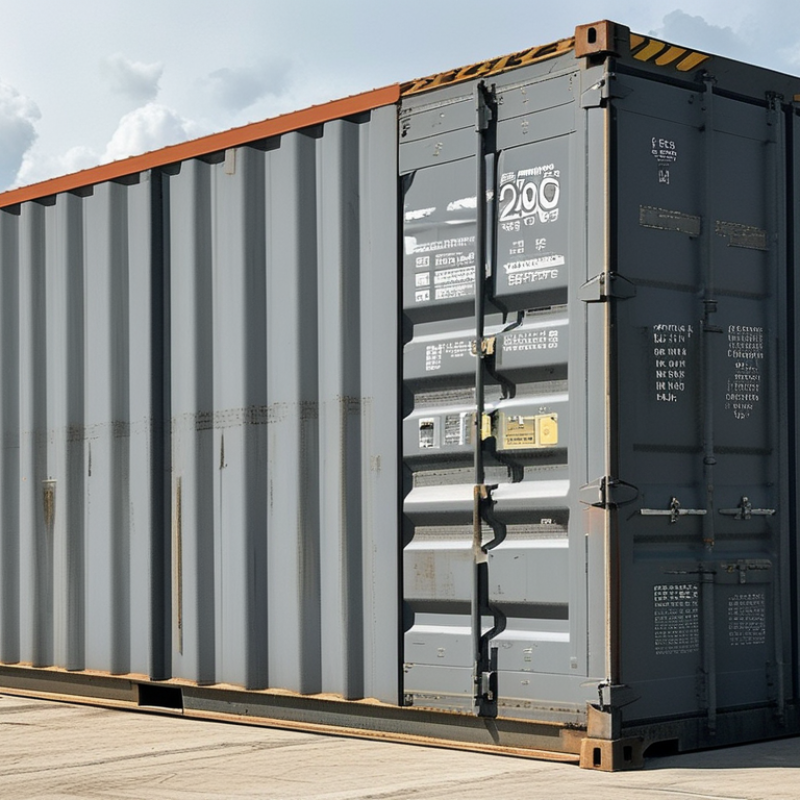
Custom-made containers are transport units designed around a buyer’s specific cargo, route, and handling requirements. Unlike standard models, they can include adjusted dimensions, reinforced floors, ventilation panels, access doors, or internal fittings.
A food-processing company may need washable surfaces and temperature monitoring. An engineering supplier may require a reinforced floor for a 2.5-ton machine. Offshore projects often need lifting points, corrosion-resistant coatings, and secure tie-down systems. These details improve cargo protection and reduce handling problems at ports, warehouses, and construction sites.
Global buyers need customization because cargo, climates, and transport rules differ across markets. A container moving through humid coastal areas may need stronger corrosion protection. A unit crossing several borders may require verified dimensions, safety markings, technical drawings, and inspection records. Buyers should confirm payload, loading methods, door clearance, stacking limits, and local approval requirements before production.
A common mistake is focusing only on the purchase price. A cheaper container can create higher costs through delays, repairs, rejected shipments, or difficult unloading. Reliable suppliers should provide material specifications, welding standards, coating details, test evidence, and clear delivery terms. Documentation matters too. However, no design is perfect for every route, and assumptions can fail when real cargo differs from the original plan. A trial unit or pre-production inspection is often worthwhile.
Custom-made containers for global buyers now cover far more than standard steel boxes. Material selection should follow cargo weight, climate, handling, and expected service life. Weathering steel offers strong protection for general freight and outdoor storage. Aluminum reduces tare weight, which can help when transport limits are strict. Stainless steel suits corrosive environments, though its higher cost needs careful justification. Insulated panels help control temperature changes. They are useful for food, equipment, and sensitive materials, but insulation alone cannot replace active cooling.
Common lengths include 10, 20, and 40 feet. High-cube versions provide extra internal height for bulky goods. Exact internal dimensions matter more than the advertised size. Door clearance, forklift pockets, and floor loading ratings can change the practical capacity. I recommend checking pallet layouts with a scale drawing before production. Measure twice. A few centimeters can affect loading speed.
Design options include side-opening doors, double-end doors, removable partitions, ventilation vents, reinforced floors, and internal shelving. A weather-resistant coating may extend service life, but surface preparation remains critical. I have seen attractive finishes fail because drainage points were overlooked. That mistake is easy to repeat. Buyers should request material thickness, weld details, load ratings, coating specifications, inspection records, and delivery tolerances. Local transport rules and destination requirements should also be confirmed early. My own planning has improved through revisions; the first design is rarely the most practical one.
2026 Best Custom Made Containers for Global Buyers?
How to Define Specifications for a Custom Container Order
A reliable custom container begins with a precise specification sheet. State the intended cargo, loading method, destination, and expected service life. Record external and internal dimensions in millimetres. Include payload, tare weight, floor capacity, and door clearance. These figures prevent expensive revisions later.
Describe the structure clearly. Specify steel grade, wall thickness, floor material, roof design, ventilation, lifting points, and stacking requirements. Add corrosion protection for humid or coastal routes. Define the door type, locking hardware, colour, markings, and inspection standard. A simple drawing with tolerances is useful. Photos of the loading area can reveal problems that written measurements miss. My first drafts often overlook forklift turning space. That mistake is easy to make.
Tips: Ask the manufacturer for a production drawing before approval. Check every dimension against your vehicle, warehouse, and unloading equipment. Confirm destination requirements, documentation, and safe working limits with qualified professionals. Request material certificates and a documented inspection plan. Keep one approved revision number. Small details matter. A late change can affect weight, cost, and delivery time. Also, do not assume a standard feature fits every route. Testing one sample under realistic conditions may expose weak hinges, poor drainage, or awkward access. Specification work is rarely perfect on the first attempt, so leave room for careful review.
| Container Type | Nominal External Size | Approx. Internal Size | Typical Tare Weight | Typical Max. Payload | Best-Fit Applications | Key Custom Specifications |
|---|---|---|---|---|---|---|
| 20-Foot Standard Dry Container | 20 ft × 8 ft × 8 ft 6 in (6.06 × 2.44 × 2.59 m) |
19 ft 4 in × 7 ft 8 in × 7 ft 10 in (5.90 × 2.35 × 2.39 m) |
Approximately 2,200–2,400 kg | Approximately 28,000 kg Subject to the permitted gross weight |
General cargo, machinery, tools, packaged goods, and storage | Door arrangement, floor load rating, ventilation, locking system, lining, paint system, and cargo securing points |
| 40-Foot Standard Dry Container | 40 ft × 8 ft × 8 ft 6 in (12.19 × 2.44 × 2.59 m) |
39 ft 5 in × 7 ft 8 in × 7 ft 10 in (12.03 × 2.35 × 2.39 m) |
Approximately 3,700–4,000 kg | Approximately 26,500–28,000 kg Subject to the permitted gross weight |
High-volume cargo, long products, furniture, and warehouse overflow | Internal partitioning, shelving, side doors, reinforced floor, insulation, and ventilation layout |
| 40-Foot High Cube Dry Container | 40 ft × 8 ft × 9 ft 6 in (12.19 × 2.44 × 2.90 m) |
39 ft 5 in × 7 ft 8 in × 8 ft 10 in (12.03 × 2.35 × 2.70 m) |
Approximately 3,900–4,200 kg | Approximately 26,000–28,000 kg Subject to the permitted gross weight |
Tall machinery, lightweight bulky goods, retail fixtures, and modular projects | Required clear height, overhead rails, lighting, access doors, insulation thickness, and roof reinforcement |
| 20-Foot Open-Top Container | 20 ft × 8 ft × 8 ft 6 in (6.06 × 2.44 × 2.59 m) |
Approximately 5.90 × 2.35 m floor area | Approximately 2,300–2,600 kg | Approximately 27,500–28,000 kg | Oversized machinery, stone, timber, scrap, and top-loaded cargo | Removable roof or tarpaulin, lashing bars, door header design, floor strength, and top-loading clearance |
| 20-Foot Flat Rack Container | 20 ft × 8 ft (6.06 × 2.44 m) |
Deck length approximately 5.60 m Deck width approximately 2.20 m |
Approximately 2,500–3,000 kg | Often approximately 25,000–30,000 kg | Heavy, wide, tall, or irregularly shaped industrial equipment | Fixed or collapsible ends, deck load distribution, lashing capacity, cargo height, and out-of-gauge dimensions |
| 20-Foot Refrigerated Container | 20 ft × 8 ft × 8 ft 6 in (6.06 × 2.44 × 2.59 m) |
Approximately 5.45 × 2.29 × 2.26 m | Approximately 2,800–3,200 kg | Approximately 27,000 kg | Temperature-sensitive food, pharmaceuticals, flowers, and chemicals | Temperature range, power supply, airflow clearance, data logging, insulation, drain design, and alarm requirements |
| Specification Dimension | Information to Confirm | Practical Selection Guidance |
|---|---|---|
| Cargo Profile | Cargo type, dimensions, weight, center of gravity, packaging, and loading method | Use internal clear dimensions rather than nominal external dimensions when checking fit. |
| Gross Weight | Cargo weight, tare weight, maximum gross weight, and local road limits | The lowest applicable limit—container, vessel, road, rail, or port—controls the usable payload. |
| Access Requirements | End doors, side doors, service doors, door height, door width, and ramp access | Specify door positions and clear openings to avoid interference with pallets, forklifts, or machinery. |
| Structural Design | Floor load, roof load, wall reinforcement, lifting points, tie-down points, and stacking needs | Provide point loads and distributed loads separately for heavy or concentrated cargo. |
| Environment | Temperature, humidity, salt exposure, chemicals, dust, rain, and operating location | Select insulation, ventilation, corrosion protection, and coating systems according to the actual environment. |
| Compliance and Shipping | International transport, road transport, lifting, stacking, labeling, and inspection requirements | Confirm required certifications and transport approvals before fabrication, especially for modified units. |
| Documentation | Dimension drawing, material list, load calculations, coating details, test records, and user manual | Make approved drawings and inspection criteria part of the purchase order. |
Note: Dimensions, tare weights, payloads, and operating limits vary by construction, equipment, certification, and transport route. Final values should be confirmed on the manufacturer’s approved drawing and data plate.
2026 Best Custom Made Containers for Global Buyers?
When selecting a custom-made container, buyers should verify standards before comparing prices. The correct certification depends on the container’s material, cargo, loading method, and destination. For freight units, check applicable ISO dimensions and structural requirements. For units with corner fittings, ISO 1161 may be relevant. Intermodal transport can also require a valid CSC safety approval. These documents should show the manufacturer, model, inspection date, and scope of approval.
Testing records deserve close attention. Ask for verified results covering payload, stacking, lifting, door operation, weld quality, corrosion protection, and water resistance. A factory inspection should compare the test sample with the final production unit. Small differences matter, especially around hinges, seals, and welded joints. Material certificates can confirm steel grade, coating thickness, and traceability. For containers carrying food, chemicals, or other sensitive goods, request suitable migration, cleanliness, or compatibility evidence.
Do not accept a certificate as automatic proof of quality. It may cover an older design or a different production site. Check whether an independent laboratory performed the tests and whether its accreditation is current. A pre-shipment inspection can reveal uneven paint, damaged seals, or unclear markings. Photos help, but they are not enough. I have seen paperwork look complete while practical loading details remained untested. Buyers should review local import rules, transport limits, and maintenance access with qualified inspectors. One missed requirement can create expensive delays.
Comparing suppliers requires more than a low factory quote. Request drawings, steel grades, weld photographs, coating specifications, and test records. ISO 668 defines standard container dimensions, while ISO 1496 covers performance testing. A supplier should explain how modifications affect payload, doors, flooring, and corner fittings. Ask for a sample inspection before production. Small errors become expensive at the port.
Calculate the landed cost, not only the unit price. Include engineering, tooling, certification, inland transport, ocean freight, insurance, duties, inspection, and destination handling. UNCTAD’s Review of Maritime Transport 2024 reported a 1.2% contraction in maritime trade during 2023, followed by expected growth of 2.4% in 2024. Capacity and rates can still change quickly. Request freight validity dates and alternative sailing options. A cheap container may cost more after demurrage.
Delivery terms need careful reading. Under Incoterms 2020, clarify who manages export clearance, main carriage, insurance, unloading, and import procedures. Compare FCA, FOB, CIF, and DAP against your actual control level. The World Bank’s Logistics Performance Index 2023 shows major differences in customs, infrastructure, and shipment timeliness between markets. Therefore, delivery promises need named ports, cut-off dates, and written delay responsibilities. My own comparison mistake would be trusting “ready to ship” without checking material availability. It sounds efficient. It is not always reliable.