Best Shipping Container Custom Build Ideas for Your Needs?

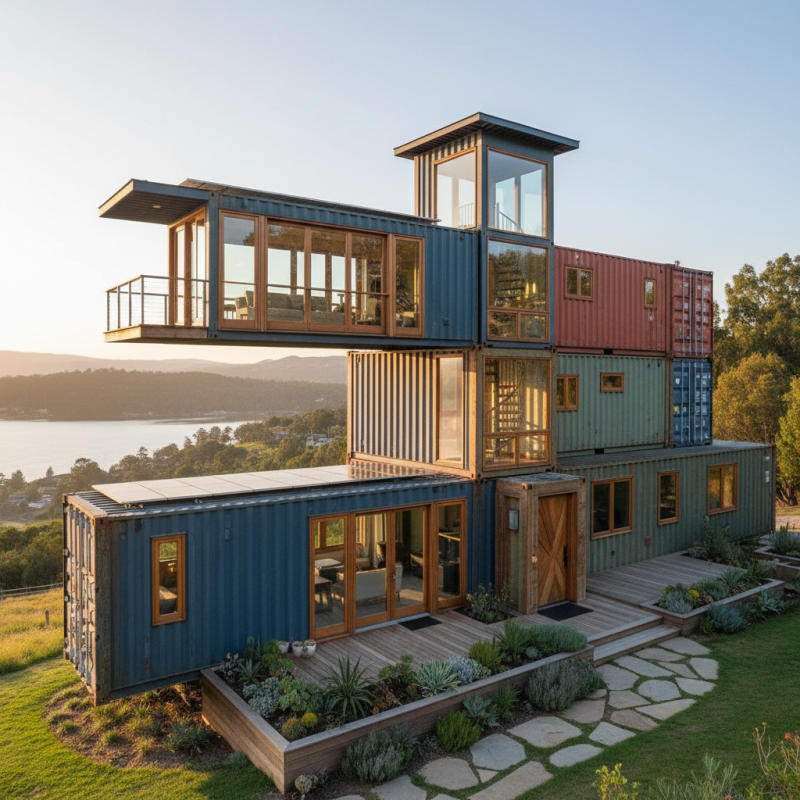
Shipping container custom build projects are transforming the way we think about space. These versatile structures offer numerous possibilities for creativity and functionality. From homes to studios, the innovative uses are only limited by your imagination. As more people explore this trend, understanding the best ideas for shipping container custom builds can help address your specific needs.

Imagine turning a simple shipping container into a cozy living space or a unique office. The customization options are vast, from insulation to window placements. However, not every design choice is perfect. Some may prioritize aesthetics without considering practicality, leading to future issues. Engaging with expert advice on these projects can prevent costly mistakes.

Choosing the right shipping container custom build means balancing your vision with functional requirements. Each project comes with its own set of challenges, but the rewards can be immense. With thoughtful planning and execution, your custom build can stand out while serving its purpose effectively. Think creatively, but also be realistic about the potential hurdles you may face in the building process.
Best Shipping Container Custom Build Ideas for Your Needs?

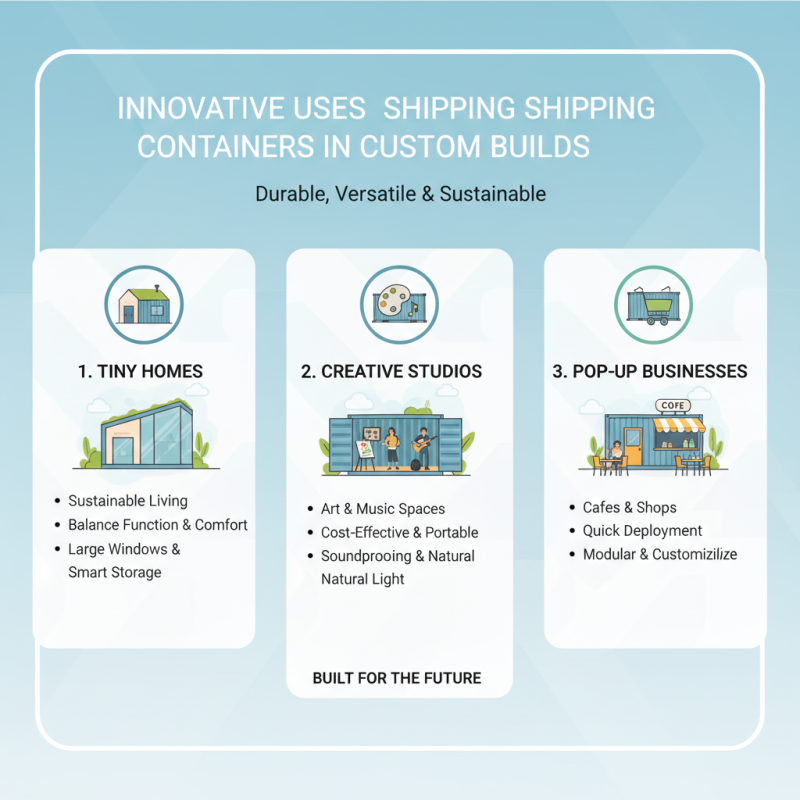
Innovative Uses for Shipping Containers in Custom Builds
Best Shipping Container Custom Build Ideas for Your Needs?

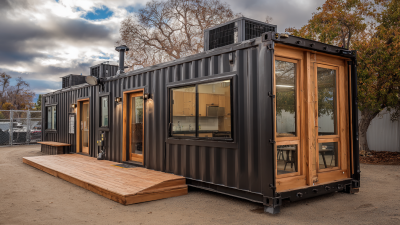
Shipping containers have become popular for custom builds, offering innovative solutions for various needs. Their durability and versatility make them ideal for homes, studios, and even pop-up businesses. A great idea is converting a shipping container into a tiny home. Tiny homes promote sustainability but can feel cramped. Designers must balance functionality with comfort. Adding large windows can create a sense of space, while smart storage solutions can help reduce clutter.

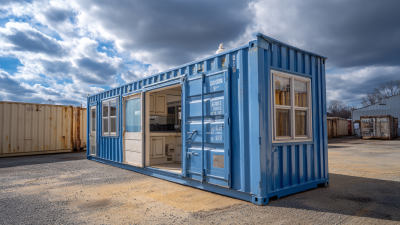
Another creative use is transforming containers into modular offices. With remote work on the rise, these containers can be customized for an ideal work environment. However, issues like insulation and light must be addressed. Containers can get hot in summer and cold in winter. Choosing the right materials for insulation is critical. Additionally, while containers are affordable, the costs can add up with modifications.

There’s also potential in using containers as community hubs. They can be transformed into cafes, libraries, or art studios. This idea fosters community interaction but requires careful planning to ensure accessibility. Also, while the visual appeal is essential, functionality should not be overlooked. Each design must serve its purpose effectively, reflecting the community's identity and needs.
Transforming Shipping Containers into Unique Living Spaces

Best Shipping Container Custom Build Ideas for Your Needs?

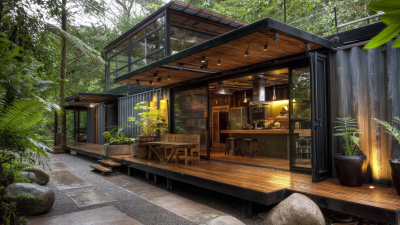
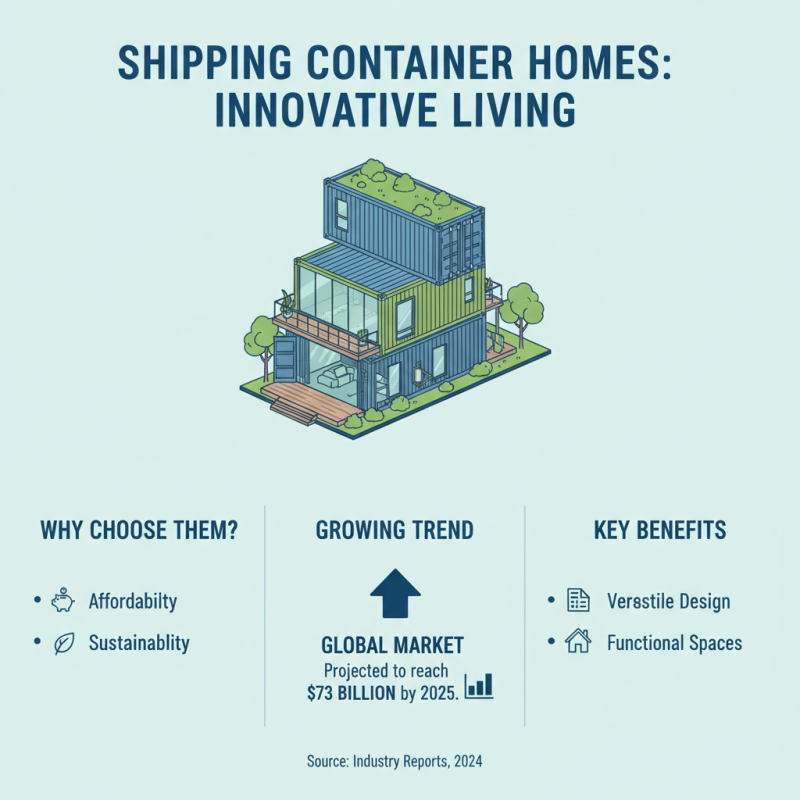
Transforming shipping containers into unique living spaces is gaining popularity. Homeowners are opting for this versatile option due to its affordability and sustainability. According to recent industry reports, the global market for container homes is projected to grow significantly, reaching $73 billion by 2025. This growing trend showcases how innovative designs can create functional spaces.

When designing a container home, consider insulation and ventilation. Proper insulation keeps your space comfortable year-round. Use materials like spray foam or rigid foam boards. This choice addresses energy efficiency and reduces long-term costs. Ventilation is equally important. Install windows and air vents to ensure a steady airflow.

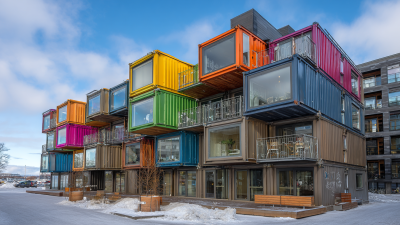
Tips: Modular design can help you optimize space. Consider stacking containers for multi-story living. This can enhance both the aesthetic and functionality. Remember, natural light transforms an interior. Large windows not only brighten rooms but also connect your home with the outdoors. Embrace imperfection: repurposed materials add character but may require more maintenance. Reflect on what you truly need in your living space. Each choice should reflect your lifestyle and preferences.

Creating Efficient Workspaces with Custom Shipping Container Designs

Shipping containers have gained popularity as versatile solutions for various workspace needs. They can be transformed into efficient offices, workshops, and even retail spaces. According to a recent report by the Container Housing Market, the demand for modified shipping containers is projected to increase by over 40% in the next five years. This growing trend highlights their adaptability.

Designing a custom shipping container workspace involves careful planning. The layout must cater to specific tasks and employee needs. For instance, excellent insulation and ventilation are crucial for maintaining a comfortable environment. Natural light can greatly enhance productivity. However, without proper design, these containers may become too hot or cold, impacting work efficiency.

A challenge lies in maximizing the space within these containers. Proper use of modular furniture and storage solutions can make a significant difference. Many designs overlook the importance of aesthetics. An unattractive workspace can lead to reduced motivation. Thus, attention to detail in design is essential, ensuring functionality and a pleasant atmosphere. As more businesses explore container options, careful consideration of these factors will lead to better outcomes.

Sustainable Solutions: Eco-Friendly Shipping Container Projects

Shipping containers offer innovative eco-friendly solutions for numerous projects. Their reusability significantly reduces the carbon footprint. A study by the International Maritime Organization reveals that reusing containers can save up to 80% of the energy needed to produce new structures. This statistic highlights the value of using containers for sustainable living and business operations.

Creative projects range from homes to cafes. These conversions often utilize solar panels, green roofs, and rainwater harvesting systems. Such designs not only minimize waste but also promote energy efficiency. According to a report by the U.S. Green Building Council, sustainable buildings can reduce energy consumption by 30% to 50%. This emphasis on sustainability appeals to environmentally conscious consumers and businesses.

Tips for utilizing shipping containers:
1. Consider insulation and ventilation. Proper airflow maintains comfortable temperatures.
2. Choose sustainable materials for interior designs. Recycled or locally sourced materials enhance your project’s eco-friendliness.
3. Assess local zoning laws. Ensure compliance to avoid potential setbacks during construction.

While shipping container projects can be innovative, they require thoughtful planning. Challenges may arise, such as structural integrity and insulation needs. Reflecting on these aspects will pave the way for more efficient and sustainable designs.

Best Shipping Container Custom Build Ideas for Your Needs

Designing Multi-Functional Shipping Container Spaces for Businesses

Shipping container spaces are redefining how businesses operate. These versatile structures offer unique solutions for a variety of industries. A report by the Container Innovation Initiative states that the shipping container market is projected to grow by 4.5% annually. Many businesses are leveraging custom designs to maximize functionality and minimize costs.

For coffee shops, transforming a container into a cozy café can cut overhead expenses. Incorporating large windows can create an inviting atmosphere. However, careful planning is essential. Ensure proper insulation to manage temperature. This design choice can significantly enhance customer comfort.

When considering a multi-functional space, think about flexibility. Incorporating movable walls or furniture can adapt the container for different events. It's important to listen to customer feedback during the design process. This can improve the space's usage and functionality.

Tip: Always assess local building codes before designing your container space. Compliance is key to avoiding costly adjustments later. Regularly revisiting your layout can help adapt to evolving business needs.