
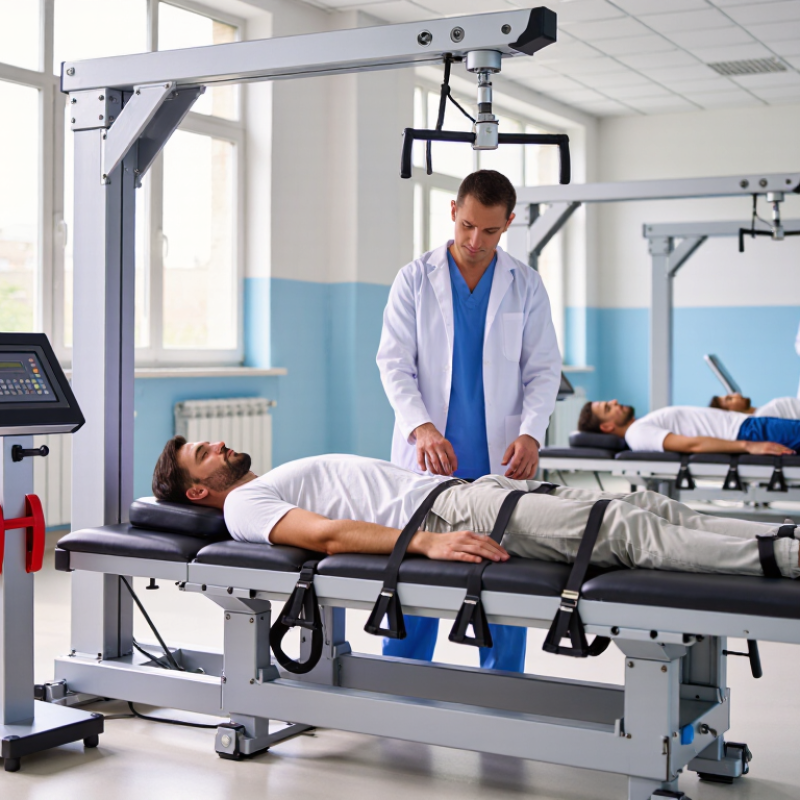
China Top Full Body Traction Device Manufacturer?
Choosing a full-body traction device manufacturer in China requires more than factory photos. The World Health Organization reports over two million medical device types across more than 7,000 generic groups. This diversity makes traceable quality documentation essential. Look for a current ISO 13485 certificate covering the exact production site and device scope. ISO 13485 supports controlled processes and risk management. It does not prove clinical effectiveness. A certificate can be current, yet production quality may drift.
IEC 60601-1 testing addresses essential electrical safety and performance. For traction equipment, buyers should inspect leakage current, emergency-stop response, motor travel limits, load calibration, and restraint strength. FDA 510(k) clearance is different. It demonstrates substantial equivalence to a legally marketed predicate device, not universal safety for every use. FDA’s MDUFA V performance goals target decisions for most traditional 510(k) submissions within 90 FDA days, although real timelines vary. Request the K number, intended-use statement, predicate comparison, and final labeling.
Tips:
Ask for recent internal audit findings, calibration records, and sample-based final inspection data. Check whether test reports match the shipped model. Measure twice. One practical weakness remains: paperwork can look complete while user training is thin. Observe a live setup, including patient positioning, emergency release, and cleaning between sessions. Experiences from installers and clinicians often reveal gaps that certificates cannot show.