
Choosing the best Folding Door for your home requires careful consideration. According to the American Institute of Architects, the folding door market has grown by over 20% in the past five years, reflecting a rising trend in open-concept living. Expert Julia Thompson, a renowned architect, states, "Folding doors can transform your space, but the right choice matters."
Folding doors offer versatility and aesthetic appeal. They allow natural light to flood in while providing seamless access to outdoor spaces. Yet, the sheer variety can be daunting. Materials, styles, and installation methods vary widely, impacting cost and performance. Choosing poorly could result in inadequate insulation or challenging maintenance issues down the line.
Understanding your needs is essential when selecting a folding door. Evaluate your space, consider traffic flow, and match the style with your home’s design. Not every option is suitable for every location. Conduct thorough research and consult professionals. It might save you from future regret.
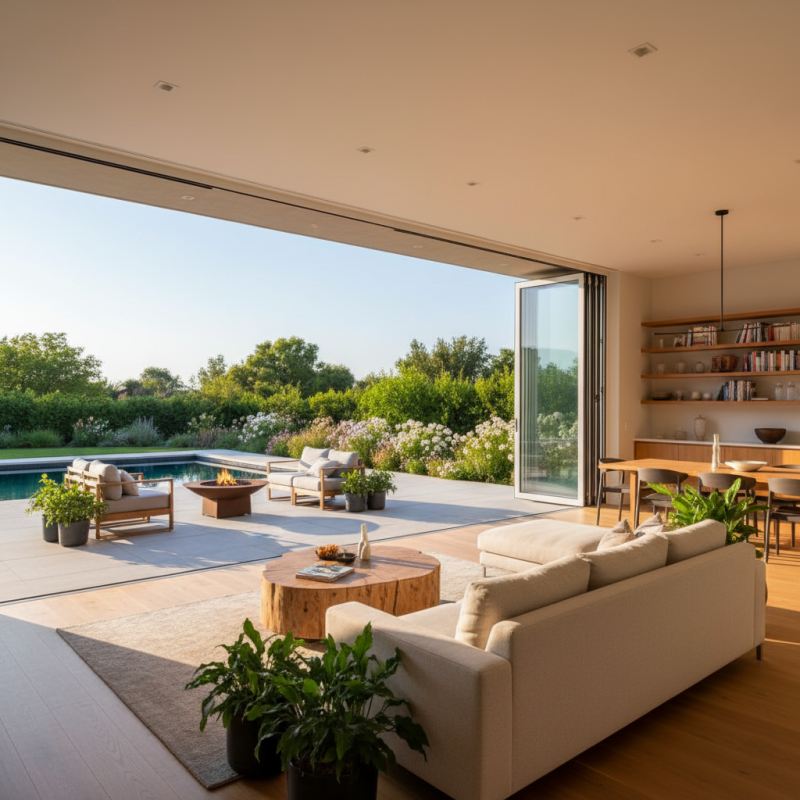
When choosing a folding door for your home, it's essential to know the types available. There are several styles to consider. Bi-fold doors are popular for large openings. They stack neatly to the side when opened. This type enhances natural light and offers beautiful views.
Accordion doors are another choice. They are great for smaller spaces. They fold back in sections, saving room. This style may not always provide the best insulation, so keep that in mind. Whether for a closet or a small balcony, these doors can be quite functional.
**Tips:** Measure your space accurately before deciding. Consider how often you will use the door. Look for materials that complement your home’s style. A slight miscalculation can lead to purchasing the wrong size.
Another option is multi-slide doors. These are more expansive and ideal for creating a seamless indoor-outdoor flow. However, installation can be complex, and they might require more maintenance. Think about your long-term needs before choosing this style.

When choosing a folding door, assessing your space requirements is crucial. Measure the width and height of your opening. A miscalculated door can lead to frustration. According to the American Institute of Architects, about 30% of homeowners underestimate the importance of measurements during renovations. They often overlook how changes in flooring or furniture placement can impact installation.
Consider the room's function. Will the door separate a living area from an outdoor space? A wider opening might be necessary for accessibility. Reports from the National Association of Home Builders show that 80% of homeowners prefer a seamless transition between indoor and outdoor spaces. This choice can enhance both aesthetics and functionality.
The door size should also align with your design vision. A large, striking door can serve as a focal point, but it requires adequate wall space. On the other hand, smaller doors can sometimes feel inadequate in larger rooms. A careful balance is vital. Often, people end up with doors that don’t fit their needs. Reflecting on these choices can save you from future regrets.
| Door Type | Size Options (Width x Height) | Material | Ideal Space Requirement |
|---|---|---|---|
| Bi-Fold Door | 6ft x 7ft, 8ft x 7ft | Wood, Aluminum, Vinyl | Medium to Large Spaces |
| Accordion Door | 3ft x 6.5ft, 4ft x 7ft | Composite, Vinyl | Small to Medium Spaces |
| French Folding Door | 5ft x 6.5ft, 6ft x 7ft | Wood, Glass | Large Spaces |
| Multi-Slide Door | 8ft x 8ft, 10ft x 7ft | Aluminum, Glass | Large Openings |
When selecting the best folding door for your home, material choice is crucial. Different materials offer varying levels of durability and aesthetics. Wood provides a warm look but requires regular maintenance to prevent damage. Metal options are sturdy but may lack the charm of natural materials. Consider how these materials blend with your home's design.
Tips: Think about the climate in your area. Wooden doors, though beautiful, may warp in humid environments. Aluminum may be a better choice if you live in such areas. Also, look for finishes that enhance the door's resilience against wear.
Aesthetic appeal matters too. Glass panels can brighten a space, but they may not provide the needed privacy. Frosted glass offers a good balance, letting light in while obscuring views. Reflect on how the door will fit into your overall design vision. Experimenting with textures and colors can help create a unique look.
Choosing the right style of folding door is crucial. It should complement your home’s architecture. A door that clashes with your design will stand out for all the wrong reasons. Think about the materials and colors that suit your home, whether it’s modern, traditional, or rustic.
Tips for matching styles: Consider your home's exterior. A sleek aluminum door may work well in a contemporary setting. Wood doors can enhance traditional homes with their warmth. Mixing styles can be risky, so tread carefully. The goal is harmony, not chaos.
Look at the size and scale of your door. An oversized door might overwhelm a small space. Conversely, a tiny door can seem out of place. Measure twice and factor in your room layout. Good choices enhance flow, while poor choices can disrupt space.
When selecting a folding door, consider installation carefully. The site should be clean and dry. Uneven floors can lead to issues later. Professional installation can help prevent problems. However, many choose DIY, which can be challenging. Ensure you have the right tools. Measure twice, cut once. Do not rush this step.
Maintenance is key to longevity. Folding doors require regular cleaning. Dust and dirt can hinder their function. Lubricate hinges to prevent squeaking. Inspect the seals regularly to avoid drafts. However, people often forget these simple tasks. Ignoring them can lead to costly repairs. In some cases, hinges may get rusted. Replacing them can be a hassle.
Reflect on your choices. Does the door style match your home's aesthetic? Is it functional? Take time to evaluate your options. Remember, the door's performance relies on care. A few extra minutes spent on maintenance can save you trouble later.