China Top Modular Construction Suppliers How to Choose?

Choosing among China’s top modular construction suppliers requires more than comparing factory prices. It demands practical research, technical judgment, and careful verification. A reliable supplier should show consistent production records, clear drawings, and realistic delivery schedules. Their experience should be visible in completed hotels, offices, schools, worker housing, or healthcare projects. Photos help, but signed project references matter more.

The right modular construction partner understands local building codes, structural loads, fire safety, insulation, and installation conditions. Ask how the factory controls steel welding, panel dimensions, waterproofing, and electrical testing. Request material certificates and inspection reports. A professional supplier should explain each document without avoiding difficult questions. Factory audits can reveal important details, such as crowded storage areas, weak packaging, or unfinished quality checks. Small signs often matter.

Price still matters. However, the cheapest quotation may hide transport costs, design changes, or missing interior systems. Compare complete scopes, not attractive headline numbers. Evaluate communication speed, engineering support, warranty terms, and after-sales service. A supplier that answers quickly may still lack technical depth. A polished website proves little. No shortlist is perfect. Even experienced buyers can overlook installation risks or regional code differences. That is why independent inspections and staged payments remain sensible safeguards. This guide will help readers compare suppliers with clearer evidence, sharper questions, and fewer expensive assumptions. The final choice should fit the project, not merely the supplier’s sales presentation.
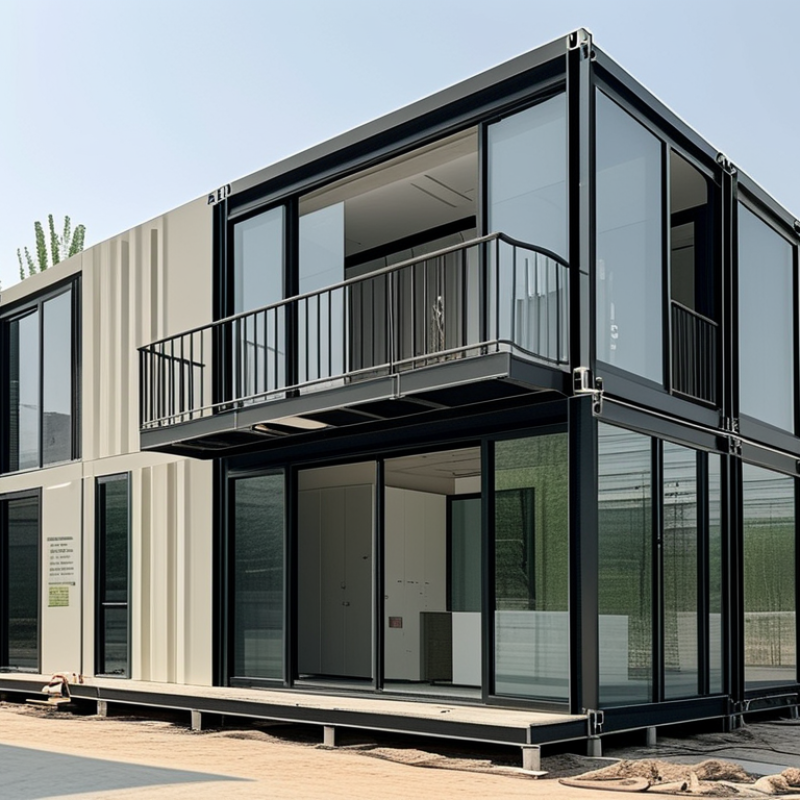
China Top Modular Construction Suppliers How to Choose?

What Is Modular Construction and Why Choose Chinese Suppliers?

Modular construction means producing building sections in a controlled factory before transporting them to the site. Rooms, wall panels, bathrooms, and utility systems can be assembled with measured tolerances. Cranes then place the finished modules onto prepared foundations. This method can shorten site work and reduce material waste. It also limits weather-related delays. Quality is easier to monitor when workers repeat tasks indoors. Small details matter. Factory inspection records, welding checks, moisture protection, and packaging plans should be available before shipment.

Chinese suppliers attract global buyers because they offer mature manufacturing networks, flexible production capacity, and competitive engineering costs. Many can adapt layouts, insulation levels, fire-rated materials, and electrical systems to project requirements. However, a low quotation can mislead. Shipping distance, customs documents, local approvals, installation tools, and after-sales support may change the real budget. Not every project fits modular construction. Complex local conditions can weaken its advantages.

Reliable cooperation requires more than reviewing photographs. Ask for material certificates, production schedules, dimensional tolerances, testing procedures, and references from comparable projects. Confirm whether the supplier understands the destination country’s building codes. A third-party inspection can reveal hidden problems before loading. I have seen project teams focus heavily on appearance and overlook drainage connections. That mistake is expensive. Clear drawings, shared responsibilities, and staged payments create stronger protection. Even experienced buyers should leave room for design changes; factory efficiency cannot repair an incomplete brief.

How to Define Your Modular Building Requirements

China Top Modular Construction Suppliers: How to Choose?

How to Define Your Modular Building Requirements

Choosing a modular building supplier starts with a clear project brief, not a factory tour. Define the building’s purpose, occupancy, location, and expected service life. A worker dormitory needs different layouts from a rural clinic or temporary classroom. Record room sizes, ceiling heights, access routes, and furniture loads. Measure twice.

Climate also shapes the specification. List wind exposure, rainfall, temperature changes, humidity, and local ground conditions. Ask for insulation values, drainage details, fire performance, and corrosion protection. Confirm which local building codes apply before discussing prices. A low quotation may exclude foundations, transport, installation, or utility connections.

Create a practical performance checklist. Include structural calculations, material certificates, factory quality controls, and inspection points before shipment. Request drawings with tolerances, connection details, and replacement procedures. Details decide performance. Review sample modules carefully, including door seals, floor joints, bathroom waterproofing, and electrical labeling. These small areas often reveal production discipline.

My early project checklists were too neat. They ignored cleaning access and future repairs. That mistake taught me to involve operators, engineers, and maintenance staff before final approval. Ask suppliers to explain what they can verify, not merely what they can promise. Compare test reports, project references, production capacity, lead times, and after-sales response in writing. Keep assumptions visible. A reliable specification makes supplier evaluation fairer and reduces costly changes after manufacturing begins.

How to Evaluate China’s Modular Construction Suppliers

Evaluating China’s modular construction suppliers requires evidence, not attractive presentations. In supplier assessments, I look beyond factory size and website claims. A dependable supplier provides detailed drawings, material specifications, inspection records, and realistic production schedules. Ask for steel grades, insulation density, fire ratings, and connection details. Request recent project references with contactable clients, not just promotional images. Details matter.

A factory visit can reveal more than a sales meeting. Watch welding, sealing, moisture control, and panel storage. Check whether workers follow written inspection procedures. Ask how defects are recorded and corrected. A supplier admitting rework may be more reliable than one claiming perfect production. Review completed buildings in different climates. Ask clients about leaks, delivery delays, installation support, and communication problems. One uncomfortable question helps.

Technical verification should involve an independent engineer familiar with the project location. Check wind loads, snow loads, seismic conditions, transport routes, crane access, and local building codes. Review the contract carefully. It should define tolerances, testing, packaging, replacement duties, and site responsibilities. Confirm export documents and link payments to measurable milestones. A low quotation may exclude foundations, utility connections, or site preparation. I have seen comparisons fail there. Keep a contingency budget for changes, because modular projects rarely stay perfectly predictable.

China Top Modular Construction Suppliers How to Choose? - How to Evaluate China’s Modular Construction Suppliers

Supplier Evaluation Framework Based on Quality, Compliance, Engineering Capability, Cost, and Delivery Risk

Evaluation Dimension Weight Recommended Benchmark Evidence to Request Score Guide
(1–5)
Risk Signal
Relevant Project Experience 15% At least three completed projects with similar building type, climate, code requirements, and module complexity. Project references, completion records, client contacts, photographs, and approved shop drawings. 5 = Highly relevant
3 = Partly relevant
1 = No evidence
Generic case studies without verifiable project details or references.
Manufacturing Quality System 15% A documented quality management system, preferably certified to ISO 9001 by an accredited certification body. Valid certificate, production inspection plan, non-conformance procedure, calibration records, and audit reports. 5 = Certified and audited
3 = Documented system
1 = Informal controls
Expired certificates, unverifiable certification numbers, or no traceable inspection records.
Structural Engineering Capability 15% Ability to perform structural calculations, connection design, transport-load checks, lifting analysis, and foundation coordination. Sample calculation package, design responsibility matrix, engineer qualifications, connection details, and applicable design codes. 5 = Full in-house capability
3 = Partially outsourced
1 = No clear capability
Supplier cannot identify the responsible engineer or explain load-transfer assumptions.
Building Code and Certification Compliance 12% Design and production must follow the destination market’s applicable building, structural, electrical, energy, and fire-safety requirements. Code compliance matrix, test reports, product declarations, fire-performance documentation, and third-party approvals where required. 5 = Complete project-specific compliance
3 = Partial documentation
1 = Unclear basis
Use of generic certificates that do not cover the actual product, assembly, or destination market.
Material Traceability 10% Critical steel, concrete, insulation, glazing, electrical, and plumbing materials should be traceable from purchase through installation. Mill certificates, batch records, supplier declarations, incoming inspection records, and serial or module identification system. 5 = Full traceability
3 = Major materials only
1 = No system
Substitution of materials without written approval or missing batch documentation.
Factory Production Capacity 10% Adequate production lines, skilled labor, indoor fabrication space, storage, testing facilities, and capacity reserved for the project schedule. Factory audit, current production schedule, equipment list, staffing plan, capacity statement, and quality-control checkpoints. 5 = Verified capacity
3 = Capacity appears sufficient
1 = Capacity unsupported
Heavy dependence on subcontractors or inability to show the actual manufacturing facility.
Delivery and Logistics Planning 10% A coordinated plan for factory acceptance, packing, road transport, port handling, customs documents, lifting, and site installation. Detailed manufacturing schedule, packing list, transport survey, lifting plan, Incoterms, and contingency plan. 5 = Fully coordinated
3 = Basic plan
1 = Buyer must arrange most items
Quoted production time excludes design approvals, shipping, customs, site preparation, or installation.
Total Cost Transparency 8% The quotation should clearly separate modules, foundations, engineering, testing, packaging, freight, duties, installation, utilities, and exclusions. Itemized quotation, bill of quantities, payment schedule, change-order rules, warranty terms, and tax or freight assumptions. 5 = Fully itemized
3 = Minor gaps
1 = Lump-sum and unclear
Unusually low initial price with extensive exclusions, vague specifications, or large advance-payment demands.
Installation and After-Sales Support 3% Clear responsibilities for site supervision, installation training, commissioning, defect correction, spare parts, and warranty response. Method statements, installation manuals, response-time commitments, warranty certificate, and local support arrangements. 5 = Documented support
3 = Limited support
1 = No defined support
Warranty applies only to factory defects and excludes installation, transport, or site-related problems without clear definitions.
Environmental and Occupational Safety Management 2% Documented controls for waste, hazardous substances, energy use, worker safety, emergency response, and site or factory risk management. ISO 14001 or ISO 45001 certificates where applicable, safety records, risk assessments, waste procedures, and environmental product information. 5 = Mature documented system
3 = Basic controls
1 = No evidence
Repeated safety incidents, poor housekeeping, or inability to provide environmental and safety procedures.
Total Evaluation Weight 100% Recommended decision rule: shortlist suppliers scoring at least 3.5 out of 5 overall, with no score below 3 in structural safety, code compliance, quality control, or material traceability.

Scoring Method: Assign each dimension a score from 1 to 5, multiply the score by the applicable weight, and add the weighted results. All certificates, test reports, project references, and capacity claims should be independently verified and checked against the final project specification and destination-country requirements.

How to Compare Quality, Technology, Pricing, and Delivery

China Top Modular Construction Suppliers: How to Choose?

When comparing modular construction suppliers in China, inspect quality beyond polished photographs. Request factory records, material certificates, weld inspection reports, and recent project references. Visit the production line if possible. Check frame alignment, insulation thickness, waterproof joints, and factory cleanliness. Details decide. A sample room can reveal odors, uneven flooring, or weak hardware that brochures rarely show. Confirm compliance with the building codes used in your project location.

Technology should improve accuracy, not merely sound impressive. Ask whether the supplier uses BIM coordination, automated cutting, digital quality tracking, and controlled assembly procedures. Request drawings showing service routes, connection details, fire protection, and maintenance access. I have seen advanced software fail when design teams used different file standards. Confirm file compatibility before signing. Ask for a documented inspection plan, including hold points and corrective-action records.

Pricing requires more than comparing unit rates. Separate factory costs, packaging, inland transport, shipping, installation, taxes, and possible design changes. A cheaper quotation may exclude foundations or local engineering. Delivery promises also need evidence. Review production capacity, loading methods, port schedules, and weather allowances. Require a milestone program with approved drawings, fabrication, inspection, shipment, and site installation dates. Leave practical contingency time. Even careful planning can miss customs delays or damaged panels, so agree on reporting duties and remedies before production begins.

How to Verify Supplier Credentials and Finalize the Contract

Choosing a modular construction supplier in China requires evidence, not attractive factory photographs. Ask for the business license, registered address, ownership details, and recent project references. Verify certificates directly with the issuing organization. ISO 9001 certification can support quality control, but it does not prove every product is compliant. Request batch records, material certificates, welding procedures, and independent inspection reports. Visit the factory if possible. Check whether the reported production capacity matches the equipment, workforce, and storage area.

Some documents look polished. That is not proof.

Tips: Contact two previous clients. Ask about delays, defects, communication, and final costs. Compare answers with the supplier’s written claims. A 2023 UNEP Global Status Report states that buildings and construction create about 37% of global energy-related and process emissions. Better factory control can reduce waste, but only when measurements are recorded and reviewed.

The contract should define drawings, dimensions, tolerances, materials, packaging, delivery terms, and installation responsibilities. Include milestone payments linked to documented inspections. Set clear acceptance criteria, including water tightness, fire performance, surface finish, and equipment testing. Add procedures for design changes, defective units, late delivery, warranty repairs, and replacement costs. Specify governing law and a practical dispute process. Do not accept “equivalent material” without written approval. Require a pre-shipment inspection and a signed punch list. Keep every revision numbered.

A weak clause can become an expensive argument. I would also leave a small contingency after signing; project assumptions often change.

How to Choose Top Modular Construction Suppliers: Verification and Contract Finalization

A practical 100-point evaluation framework for verifying supplier credentials and reducing procurement risk before signing a modular construction contract.

How to use it: Request documentary evidence for each category, validate critical information independently, and make contract payment milestones, inspection rights, delivery requirements, warranty coverage, and remedies for delay clearly enforceable.