
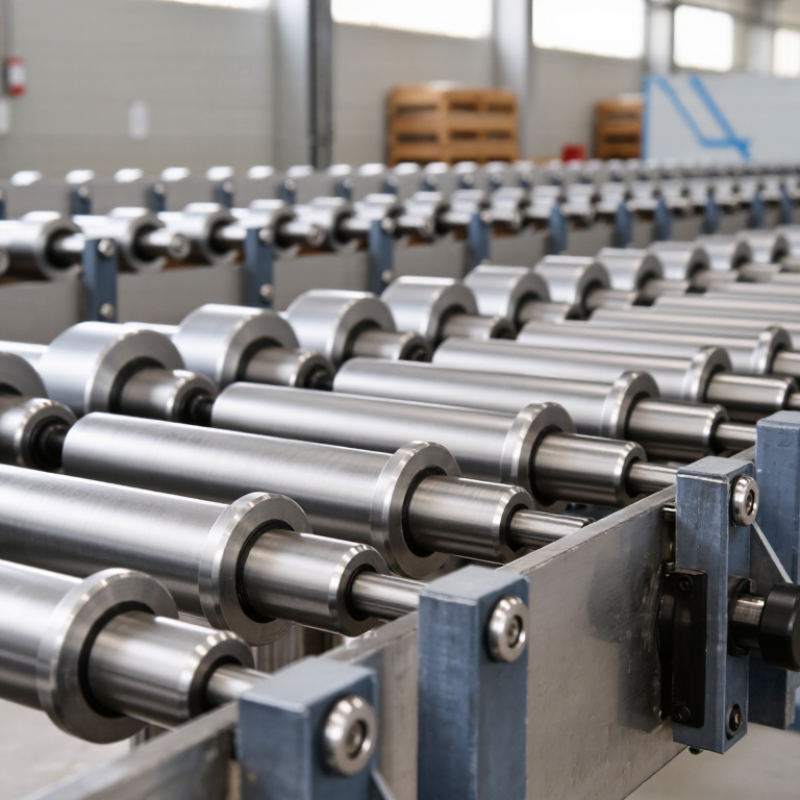
Top Conveyor Rollers Manufacturers for Global Buyers
Quality begins with measurable controls, not attractive catalog photographs.
ISO 9001-based systems should cover material inspection, machining accuracy, assembly, and traceability. Grand View Research’s 2024 conveyor systems report estimates the global market could exceed USD 10 billion by 2030. That growth increases supplier choice, but also increases quality risk.
Buyers should request load-test records, shaft runout data, bearing specifications, and corrosion-test results. Small deviations matter. A roller that feels smooth by hand may still create belt tracking problems.
Customization is often practical rather than luxurious.
Roller diameter, tube material, axle shape, coating, and sealing must match the conveyor environment. Food handling, mining, parcel sorting, and outdoor storage require different protection levels.
According to a 2024 report from MarketsandMarkets, automation and e-commerce remain major drivers of conveyor demand. This makes quiet operation and low maintenance more valuable.
However, custom drawings can slow production. Confirm approval deadlines, sample procedures, minimum order quantities, and replacement-part availability before purchase.
Global purchasing involves more than unit price.
Compare total landed cost, including packaging, freight, duties, insurance, and local installation support. Ask for clear Incoterms and realistic lead times.
A supplier may quote twelve days, then miss the vessel because one bearing is unavailable. That is not a minor detail.
I would also check warranty exclusions, technical response times, and inspection procedures. Some specifications still look complete while hiding weak assumptions. Independent pre-shipment inspection can expose them.