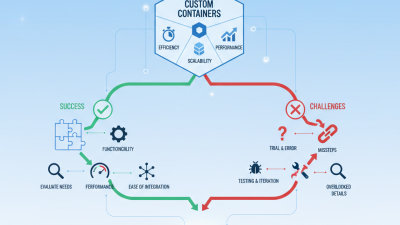
Buying custom made shipping containers is not simply a matter of choosing dimensions and paint color. Each unit must match its intended use, site conditions, transport needs, and maintenance expectations. A container designed for warehouse storage may fail as a workshop if ventilation, insulation, lighting, or access points were overlooked.
Experienced buyers usually begin with a detailed specification. They confirm external and internal measurements, steel thickness, floor materials, door hardware, roof strength, drainage, and corrosion protection. Manufacturer reputation also matters. Ask for material details, production photographs, quality records, and clear delivery terms. Independent inspection can reveal uneven welding, poor seals, or doors that do not close smoothly.
Small details matter.
The seven tips in this guide will help buyers compare suppliers with greater confidence. They cover planning, customization, pricing, quality checks, safety features, delivery preparation, and long-term upkeep. However, no checklist removes every risk. Even careful buyers sometimes focus on the purchase price and underestimate installation costs, ground preparation, or future repairs. That mistake is easy to make. Reliable decisions come from asking precise questions, checking written specifications, and allowing room for practical changes. A well-built container should look solid, operate smoothly, and perform consistently after delivery, not only appear attractive in a quotation.
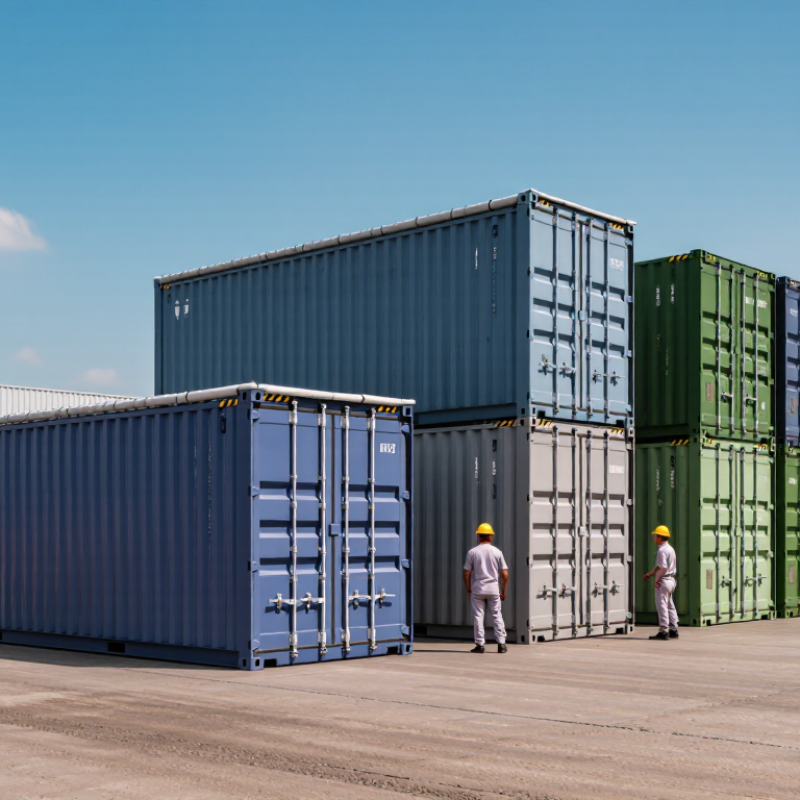
Tip 1: Define the cargo before choosing a custom container. ISO 668:2020 sets common external dimensions for 20-foot and 40-foot units. A standard 20-foot container measures about 6.06 metres long. A 40-foot container measures about 12.19 metres. Internal space varies after insulation, doors, and fittings.
Tip 2: Treat 30,480 kilograms as gross mass, not payload. This figure includes cargo, container tare weight, and installed equipment. A typical 20-foot unit may weigh about 2,300 kilograms empty. That leaves roughly 28,180 kilograms before operational limits apply. Confirm the final rating with the fabricator and transport operator. Small design changes can reduce usable capacity.
UNCTAD’s Review of Maritime Transport 2023 reported a global container fleet exceeding 28 million TEU. This scale reflects why ISO-compatible dimensions matter during handling and interchange. Yet custom work can create problems. A thicker floor, refrigeration system, or steel partition changes weight and volume. Measure the heaviest load, its centre of gravity, and loading method. Do not rely on estimates alone. Tip 3: Request a capacity sheet showing internal dimensions, tare mass, maximum gross mass, and tested payload. Ask for drawings before fabrication. I have seen plans look efficient on paper, then lose valuable space around doors and corners. That mistake is avoidable, but not always obvious.
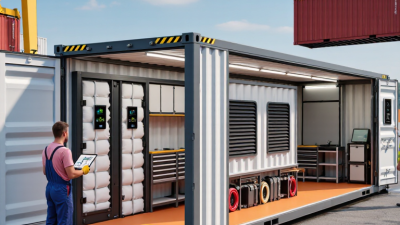
Custom-made containers perform best when modifications are planned before fabrication. I have seen doors placed for convenience, then blocked by shelving or equipment. Treat door placement as a workflow decision. Check swing clearance, thresholds, locks, and forklift access. Measure twice. Ventilation also needs a clear purpose. Low and high vents can support airflow, while screened openings help limit dust and pests. Water finds gaps, so inspect seals and drainage details carefully.
Insulation should match the working environment, not just the climate. Closed-cell foam may reduce condensation, but it can hide corrosion during later inspections. Mineral-based panels offer another option, though they require careful installation around joints. Power systems need a written load schedule. Identify lighting, tools, heaters, and future equipment. A qualified electrician should design cable routes, protection, grounding, and entry points. Do not assume a standard outlet layout will suit real work.
Load paths deserve special attention when cutting walls or adding heavy fixtures. Reinforcing a large door opening may affect the frame, roof, and floor connections. Ask for fabrication drawings, material specifications, and engineering checks. Keep heavy equipment close to structural supports when possible. I once underestimated vibration from a small compressor; the mounting points needed revision. That mistake was useful, but avoidable. Inspect weld quality, corrosion protection, ventilation openings, insulation joints, and electrical documentation before accepting delivery.
When buying a custom shipping container, inspect the steel before discussing paint or accessories. Corten steel develops a protective oxide layer, but it is not rust-proof. Salt air, standing water, and poor drainage can still cause deep corrosion. ASTM A588 weathering steel commonly offers a minimum yield strength near 345 MPa, yet actual container panels may use different grades. Request mill certificates and thickness readings.
The floor deserves equal attention. ISO 1496-1 specifies resistance to concentrated forklift loading, commonly referenced as a 5,460-kilogram axle load. Ask the fabricator to state the tested floor rating, joist spacing, plywood thickness, and allowable point loads. A heavy machine can damage a compliant floor if its wheels are narrow or poorly positioned. UNCTAD’s Review of Maritime Transport 2024 recorded roughly 858 million TEUs in global container port throughput during 2023. That volume reflects demanding handling conditions, not a guarantee for every custom unit.
When buying a custom-made shipping container, verify compliance before discussing paint, doors, or interior fittings. The CSC plate confirms approval for international transport under the International Convention for Safe Containers. Check its identification number, maximum gross mass, stacking load, racking load, and examination dates. A clean plate is not proof. Compare it with inspection records and the container’s actual structure.
ISO 1496-1 testing covers practical stress points. These include lifting, stacking, floor strength, end-wall strength, side-wall strength, and roof loading. Ask for test reports linked to the exact unit, not a generic factory document. UNCTAD’s Review of Maritime Transport 2024 reported an 8.8% increase in container ship capacity during the previous year. More equipment is entering circulation, but faster supply can also increase documentation mistakes. That deserves attention.
The CSC scheme generally requires an initial examination within five years, followed by examinations at intervals not exceeding 30 months. Some operators use an approved continuous examination program. Confirm which system applies. For storage, offices, workshops, or public-facing installations, local building codes may require foundations, fire separation, insulation, ventilation, and structural calculations. ISO compliance does not automatically equal building approval. A local engineer should review openings cut into sidewalls or roofs. Small details matter. In practice, buyers sometimes accept a stamped drawing without checking weld quality or corrosion beneath floor rails. That is an avoidable weakness. 马会
Tip 1: Compare the landed cost, not the workshop quotation. Fabrication may look affordable, but steel upgrades, insulation, doors, paint, and certification can change the final figure. Add inland trucking, port handling, marine insurance, customs charges, and unloading equipment. UNCTAD’s Review of Maritime Transport 2024 recorded 2.4% growth in global maritime trade during 2023. Demand shifts can quickly affect freight availability and pricing.
Tip 2: Request three freight scenarios. Ask for standard, delayed, and peak-season estimates. The World Bank’s 2023 Logistics Performance Index identifies timeliness and reliability as major supply-chain performance factors. A cheaper route is not always safer.
Tip 3: Confirm lead time in writing. Separate design approval, fabrication, inspection, and dispatch dates. Ask what happens when drawings change. I have seen buyers underestimate approval delays. That mistake is easy to repeat.
Tip 4: Read the warranty clause carefully. Check coverage for corrosion, weld failures, seals, paint, flooring, and hardware. Confirm claim procedures, response times, exclusions, and whether freight is covered. A five-year warranty means little without practical remedies.
Tip 5: Compare total cost over three years. A stronger coating may cost more now but reduce maintenance later. Still, durability claims need evidence. Request material grades, inspection records, and photographs from similar builds.
Tip 6: Keep a contingency budget. Custom projects rarely remain perfectly unchanged.
Tip 7: Have an independent inspector review the final container before shipment.