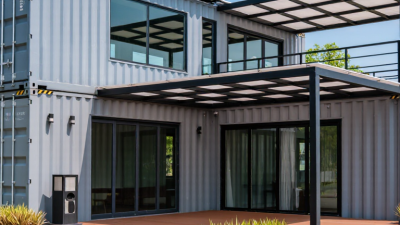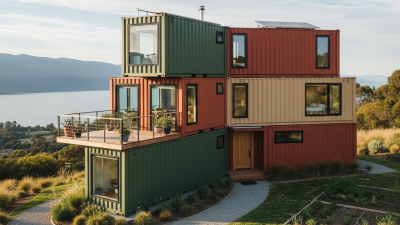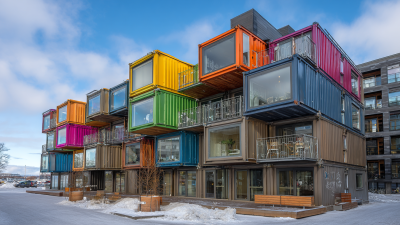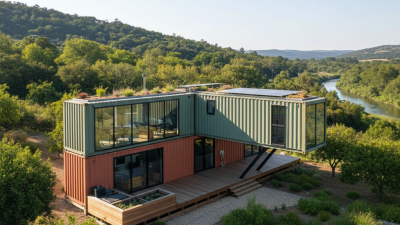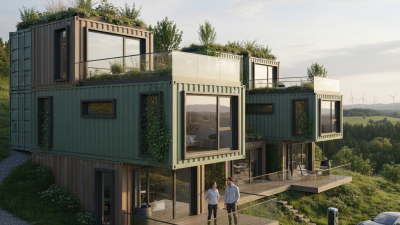
Top 10 Cargo Container Homes to Buy Worldwide

Buying a cargo container home can look simple from a distance. It is not.

Behind each compact façade are decisions about insulation, ventilation, structural cutting, moisture control, and delivery access. This guide explores the Top 10 Cargo Container Homes to Buy Worldwide, focusing on practical value rather than polished photographs alone. We examine floor plans, steel condition, interior comfort, energy performance, customization, warranties, and estimated installation requirements.

Architect Adam Kalkin, widely recognized for pioneering container-based residential design, once offered a useful reminder: “A container is a box.” That sentence matters. A box still needs thoughtful windows, safe wiring, proper drainage, and a climate-appropriate envelope. Without those details, a stylish home may become uncomfortably hot, damp, or expensive to maintain.

Our comparisons consider models suited to different lifestyles, from compact studios to multi-container family residences. We also look at shipping distances, foundation choices, supplier transparency, and after-sales support. A low purchase price can change quickly after crane hire, permits, utility connections, and site preparation.

Some homes in this list are genuinely impressive. Others reveal compromises.

That is worth acknowledging. Container construction can reduce material waste and shorten build times, but it is not automatically sustainable or affordable. Real performance depends on engineering, workmanship, local climate, and responsible sourcing. Readers should verify certifications, inspect specifications, and consult qualified local professionals before purchasing. The best cargo containers homes balance strong design with ordinary, everyday livability.
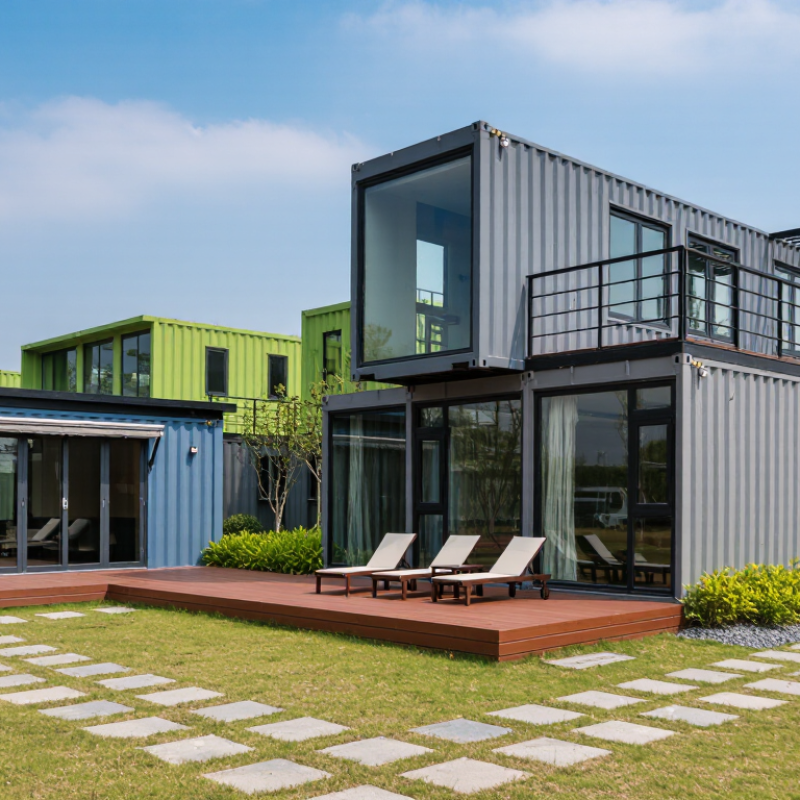
Top 10 Cargo Container Homes to Buy Worldwide

What Are Cargo Container Homes and How Do They Work?

Cargo container homes begin with weathering steel boxes designed for transport, not comfortable living. Their strength comes from corner posts and top and bottom rails. Walls mainly provide enclosure. Once a container reaches a building site, workers inspect its frame, remove unsafe coatings, and plan openings carefully. Large windows can weaken the structure if engineers ignore load paths.

The living system is built inside the shell. Insulation controls heat, cold, and condensation, while a continuous vapor strategy protects the interior in changing climates. Floors may need replacement or sealing. Electrical wiring, plumbing, ventilation, and heating systems are installed after the layout is confirmed. A raised foundation keeps the lower steel away from standing water. This detail matters more than many online images suggest.

Climate changes everything. A home suited to a dry region may struggle in humid coastal weather. Buyers comparing ten container designs worldwide should check corrosion, insulation thickness, local permits, transport access, and emergency exits. Ask for structural drawings and material records. Visit the finished unit if possible. Pictures can hide poor welds and cramped service spaces.

The concept is practical, but not effortless. Small rooms feel efficient until furniture arrives. Cutting steel also adds cost. Some designs look simple and are not. A qualified local professional should verify the foundation, connections, fire safety, and energy performance before purchase. Reusing a container can reduce waste, yet preparation still consumes materials and energy.

Key Features to Compare Before Buying a Container Home

Buying a container home requires more than comparing floor plans and asking prices. Inspect the steel shell for corrosion, dents, previous chemical exposure, and repaired welds. A clean exterior can hide weakened areas beneath new paint. Ask for dated inspection photographs and material records.

Thermal performance deserves close attention. Compare insulation thickness, vapor control, window quality, and ventilation design. Poorly controlled moisture can cause condensation behind wall panels. That damage may remain invisible for months. In colder regions, check the floor, roof edges, and pipe protection. In warmer climates, shading and cross-ventilation can reduce cooling demand. Energy estimates should include local weather, not just laboratory figures.

Review the electrical and plumbing documentation with a qualified local professional. Confirm that the design follows current building, fire, accessibility, and structural requirements. Transport dimensions, crane access, foundation preparation, and connection costs can change the final budget sharply. Compare warranty coverage for the frame, appliances, waterproofing, and installation labor. Also examine delivery schedules and after-sales response times. A low purchase price may exclude site work, permits, utility connections, or interior repairs. It is easy to overlook those details. I would also compare future maintenance, resale limitations, and room flexibility. Some compact layouts look efficient online but feel restrictive beside a full-size bed. Visit a completed unit if possible, measure doorways, and listen for plumbing noise. Good decisions come from records, inspections, and realistic daily use.

Top 10 Cargo Container Homes to Buy Worldwide - Key Features to Compare Before Buying a Container Home

Rank Container Home Type Typical Location / Market Container Configuration Approx. Interior Area Typical Price Range (USD) Main Features Best For Key Points to Compare Before Buying
1 Compact Single-Container Studio North America, Europe, Australia One 20-foot container About 13–14 m² $25,000–$60,000 Open-plan living area, compact kitchen, bathroom, insulation, electrical and plumbing installation Guest accommodation, offices, short-term rentals Check usable width, natural ventilation, ceiling height, local permits and delivery access
2 One-Bedroom 40-Foot Home United States, Canada, New Zealand One 40-foot container About 27–28 m² $45,000–$95,000 Separate bedroom, full bathroom, kitchen, living zone, larger window openings and improved storage Individuals, couples and vacation properties Compare insulation thickness, window performance, heating and cooling capacity, and structural reinforcement
3 Two-Container Family Home United Kingdom, Europe, North America Two 40-foot containers About 50–56 m² $85,000–$160,000 Two bedrooms, full kitchen, living room, one or two bathrooms, covered outdoor area options Small families and permanent residences Verify the connection between containers, foundation requirements, fire separation and compliance certification
4 Three-Container Courtyard Home Southern Europe, Middle East, Australia Three 40-foot containers About 75–85 m² $130,000–$240,000 Two or three bedrooms, central courtyard, larger kitchen, multiple bathrooms and shaded outdoor space Families seeking indoor-outdoor living Compare solar control, roof design, rainwater drainage, foundation layout and transport or crane costs
5 High-Cube Container Home Worldwide, especially warm and humid climates One or two 40-foot high-cube containers About 28 m² per container $50,000–$170,000 Approximately 30 cm extra external height compared with standard units, allowing more ceiling and insulation space Hot climates, loft-style interiors and improved comfort Confirm the container is genuinely high-cube, inspect corrosion, and compare thermal bridging and condensation control
6 Off-Grid Solar Container Cabin Rural regions in Europe, Africa and the Americas One or two 20- or 40-foot containers About 14–56 m² $45,000–$180,000 Photovoltaic system, battery storage, water tank, composting or low-flow sanitation and backup power options Remote living and low-grid-access sites Compare battery capacity, solar output, winter performance, water storage, wastewater treatment and maintenance needs
7 Accessible Single-Level Container Home North America, Europe and Oceania Two 40-foot containers About 50–56 m² $95,000–$180,000 Step-free entrance, wider internal circulation, accessible bathroom, low-threshold shower and single-floor layout Older residents and users with limited mobility Check doorway widths, turning spaces, ramp gradients, bathroom clearances and local accessibility standards
8 Two-Story Stacked Container Home Urban and suburban areas worldwide Four 40-foot containers About 100–112 m² $180,000–$330,000 Three or four bedrooms, two levels, balconies, larger living areas and efficient use of a small building plot Urban families and narrow sites Confirm stacking reinforcement, engineer approval, stair safety, wind loads and maximum permitted building height
9 Modular Container Guesthouse Tourism and hospitality markets worldwide One 20- or 40-foot container About 14–28 m² $35,000–$100,000 Bedroom, bathroom, kitchenette, deck or veranda, durable finishes and compact mechanical systems Hotels, resorts and backyard rentals Compare guest comfort, acoustic insulation, cleaning durability, plumbing connections and commercial approval requirements
10 Premium Multi-Container Residence High-value residential markets worldwide Four to eight 40-foot containers About 110–225 m² $250,000–$600,000+ Multiple bedrooms, premium kitchens, large glazed openings, terraces, advanced HVAC and custom interior finishes Large families and luxury holiday homes Review engineering documentation, warranty coverage, waterproofing details, energy performance and total site-development costs

Price ranges are indicative finished-home budgets in USD and generally exclude land, foundations, utility connections, permits, taxes, delivery and site preparation. Actual costs vary substantially by country, access conditions, labor rates, specifications and local building regulations. A standard 20-foot container has an external length of approximately 6.06 m, while a standard 40-foot container has an external length of approximately 12.19 m; usable interior space is smaller after insulation and interior finishes.

Top 10 Cargo Container Homes Available Worldwide

Top 10 Cargo Container Homes Available Worldwide

Cargo container homes now range from compact studios to spacious multi-unit residences. The ten most practical options include single-container studios, two-container family homes, stacked apartments, mobile cabins, garden offices, guest suites, coastal retreats, mountain shelters, emergency housing, and custom modular homes. Availability depends on local builders, shipping access, and construction permits.

A reliable home should include certified structural modifications, insulated walls, secure windows, proper ventilation, and tested electrical systems. Buyers should ask for material specifications, construction photographs, delivery costs, and warranty terms. Climate matters greatly. Cold regions need strong thermal insulation, while humid areas require moisture control and raised foundations. I would not assume a lower price means better value. Transport and site preparation can change the final cost sharply.

Tips: Check local planning rules before paying a deposit. Inspect welds, doors, flooring, and roof seals. Request a written delivery schedule. Compare at least three quotations. A professional survey is worthwhile, even for a small unit. Some designs look attractive online but feel narrow inside. That detail is easy to miss. Allow space for storage, maintenance access, and future repairs.

Costs, Delivery Options, and Legal Requirements by Region

Buying one of the top ten cargo container homes worldwide requires more than comparing photos and prices. A basic converted unit may cost $25,000–$60,000 before land, foundations, utilities, taxes, and installation. Larger designs can exceed $150,000. Interior finishes, insulation, windows, plumbing, and energy systems quickly change the final figure. A cheap quote may hide expensive site work.

Delivery depends strongly on distance and access. Sellers may arrange port shipping, road transport, crane lifting, or complete installation. In Europe, rail and truck routes can simplify delivery between neighboring countries. In North America, rural sites may need wider roads and stronger cranes. Australia and island regions often face higher freight costs, quarantine checks, and longer waiting times. Confirm container dimensions, unloading responsibility, insurance, and weather delays in writing.

Tips: Ask for a complete cost sheet. Check the unit’s steel condition, insulation rating, fire resistance, and electrical certification. Verify local zoning before paying a deposit. Many regions require planning permission, building approval, and certified structural drawings. Some councils reject homes placed on farmland, while coastal areas may require cyclone or flood protection. In colder regions, snow-load calculations and frost-resistant foundations matter. Utility connections can require separate permits. I would also inspect the home personally when possible. Photos rarely show condensation, uneven floors, or poor welds. Legal approval is not automatic after delivery. A qualified local architect or building surveyor should confirm compliance.

How to Choose the Right Container Home for Your Needs

Choosing the right container home begins with your daily routine, not its appearance. Decide whether you need a weekend retreat, a permanent residence, or a flexible studio. A single container may suit one person, but families often need multiple units. Measure furniture, storage, and circulation before reviewing floor plans. Narrow interiors can feel surprisingly restrictive.

Inspect the container’s condition carefully. Look for corrosion, dents, repaired sections, and signs of water entry. A used unit may appear affordable but require extensive preparation. Ask for steel-grade details, modification records, insulation specifications, and delivery measurements. Consult a qualified structural engineer before cutting walls or adding large windows. This step protects both comfort and safety.

Climate should guide your insulation and ventilation choices. Hot regions need shading, reflective roofing, and controlled airflow. Cold areas require continuous insulation and careful moisture management. Check local planning rules, foundation requirements, fire standards, and utility connections before purchasing. Regulations vary widely. Do not rely on online claims alone.

Budget beyond the purchase price. Include transport, foundations, plumbing, electrical work, interior finishes, permits, and professional inspections. A realistic written estimate reduces unpleasant surprises. Even experienced buyers can underestimate site preparation. I would leave a contingency fund, because ground conditions and delivery access rarely behave perfectly. Visit completed homes when possible, and speak with occupants about heat, noise, condensation, and maintenance. Their practical observations may reveal problems polished photographs hide.