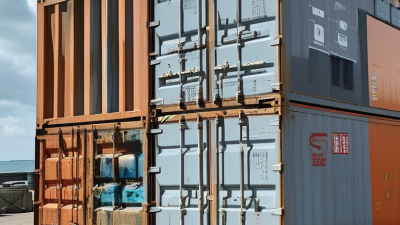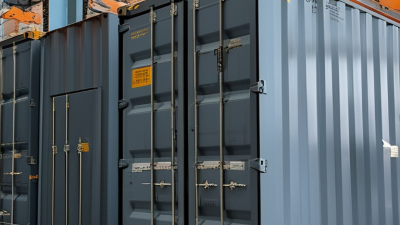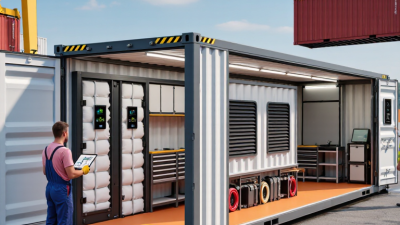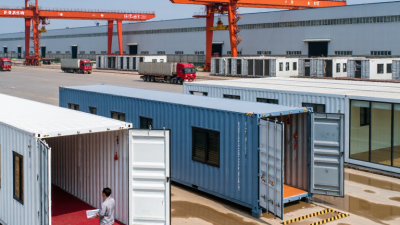
Choosing custom cargo containers for global shipping requires more than selecting a box with the right dimensions. The container must match the cargo, route, handling equipment, and transport method. A steel unit may protect machinery across ocean crossings, while a ventilated design may better suit moisture-sensitive goods. Small details matter. Door clearance, floor strength, lashing points, insulation, and internal height can affect loading speed and cargo safety. A practical evaluation should begin with the shipment’s weight, dimensions, center of gravity, and packing method.
Route conditions also deserve careful attention. Salt air can accelerate corrosion, and repeated transfers may expose containers to impacts, vibration, and temperature changes. Buyers should request verified material specifications, load ratings, inspection records, and applicable safety documentation. Working with an experienced manufacturer and confirming requirements with carriers can reduce avoidable surprises. However, no standard checklist guarantees a perfect result. Early assumptions about stacking, crane access, or unloading space can prove wrong on site. That weakness should be acknowledged, not hidden.
The best custom cargo containers balance protection, handling efficiency, compliance, and long-term cost. A container designed for one route may perform poorly on another. For example, an oversized door can simplify forklift access but increase structural complexity. A specialized coating may extend service life but raise the purchase price. Careful design reviews, physical measurements, prototype checks, and clear maintenance plans create a more dependable shipping solution. Reliable decisions come from tested evidence, not attractive specifications alone.

How to Choose Custom Cargo Containers for Global Shipping?
Define your cargo before choosing a container. Cargo shape, weight, volume, and sensitivity determine the right structure. Palletized machinery may need reinforced flooring and wider doors. Fresh produce requires stable temperature, airflow, and drainage. Fragile electronics need shock control and moisture protection. Do not rely on external dimensions alone. Check internal clearance, door opening, payload limits, and lashing points.
The World Bank’s 2023 Logistics Performance Index notes that international shipments can spend about 44 days moving through the logistics chain. Around 60% of that time occurs at sea. A poor container choice can increase exposure to humidity, vibration, and delays. UNCTAD also reports that maritime shipping carries over 80% of global merchandise trade by volume. This makes container compatibility a practical risk-control decision, not only a purchasing detail. Specify loading equipment, route climate, transfer frequency, and expected storage time. I sometimes see teams overlook empty-space movement inside the box. That mistake can be expensive.
Tips: Create a one-page cargo profile. Record dimensions, gross weight, center of gravity, temperature range, humidity concerns, and stacking limits. Request a load plan before fabrication. Test one unit under realistic handling conditions. A small trial may reveal problems that drawings miss. Verify materials, markings, and documentation against current destination requirements. Data helps, but field experience still matters.
Choosing a custom cargo container begins with the load, not the container drawing. Measure length, width, height, and total weight before requesting a configuration. Leave working clearance around doors and internal supports. A tight fit may look efficient. It can slow loading and cause damage. For mixed cargo, adjustable partitions or removable shelves can improve control. However, extra fittings reduce usable space and add handling time. This trade-off is easy to underestimate.
Select the container length according to the shipment’s volume and loading pattern. A shorter unit may reduce unused space, while a longer unit can simplify pallet alignment. Check doorway dimensions, forklift access, and floor load capacity. Heavy machinery needs reinforced flooring and carefully positioned tie-down points. Fragile equipment may need cushioning, bracing, and moisture control. Ventilation is useful for certain cargo, but it may be unsuitable for dust-sensitive goods. Confirm the route’s handling conditions, including cranes, terminals, and inland transfers.
In practical projects, small measurement errors create expensive revisions. I recommend preparing a scale layout with every pallet, crate, and access path marked. Review the drawing with the loading team, not only the purchasing team. Their experience often reveals blocked doors or unsafe lifting angles. Container specifications should also be checked against current carrier and destination requirements. Do not assume a standard configuration will work everywhere. I have seen “almost suitable” designs require changes late in production. That is a costly lesson. Record the final dimensions, weight distribution, securing method, and inspection points before shipment.
Custom cargo containers must match the route, climate, and cargo weight. Material selection affects every later decision. Weather-resistant steel offers strong impact protection and stable stacking performance. Aluminum weighs less and resists many coastal corrosion problems. However, it may dent more easily during rough handling. For floors, sealed marine-grade plywood can provide strength and moisture resistance. Inspect the coating, welds, hinges, and floor joints before approval. Small defects can become expensive water-entry points.
Tips: Ask for material specifications and load ratings. Check door seals by looking for even compression. Test drainage holes before loading. Place a moisture indicator inside the container for long ocean routes. A simple inspection record improves accountability between suppliers, carriers, and warehouse teams.
Durability depends on construction, not material alone. Reinforced corner posts should remain straight after repeated handling. The doors must close without forcing them. In cold regions, brittle seals may crack, while tropical heat can weaken poor adhesives. Salt spray, heavy rain, and sudden temperature changes deserve practical testing. Request evidence from recognized laboratories when the shipment is valuable or time-sensitive. Yet paperwork is not enough. I have seen specifications look excellent while poor drainage caused interior rust. That is an uncomfortable reminder: custom design still needs physical inspection.
| Material or Construction | Typical Material Density | Durability Under Handling | Weather and Moisture Resistance | Corrosion Resistance | Relative Weight | Recommended Global Shipping Applications | Key Design Considerations |
|---|---|---|---|---|---|---|---|
| Corten Steel or Weathering Steel | Approximately 7.85 g/cm³ | Very High Strong resistance to impact, stacking loads, and repeated lifting when properly engineered. |
High Provides a robust enclosure against rain, wind, and temperature changes when seams, doors, and vents are sealed correctly. |
Moderate to High Weathering steel develops a protective surface layer, but saltwater exposure and damaged coatings can still cause corrosion. |
High | Long-distance ocean freight, heavy machinery, industrial parts, and cargo requiring high structural protection. | Specify weld quality, protective coatings, drainage points, door-gasket design, and corrosion protection for marine environments. |
| Galvanized Steel | Approximately 7.85 g/cm³ for the steel substrate | Very High Suitable for repeated handling and high mechanical loads. |
High Good protection when the zinc coating remains intact and openings are properly sealed. |
High Zinc provides sacrificial protection to exposed steel areas, although cut edges, welds, and severe salt exposure require attention. |
High | Reusable cargo containers, construction equipment, warehouse-to-port transport, and demanding logistics routes. | Check galvanizing thickness, weld-area treatment, fastener compatibility, and the container’s drainage and ventilation layout. |
| Aluminum Alloy | Approximately 2.70 g/cm³ | High Good strength-to-weight performance, but generally more vulnerable to severe dents than thick steel panels. |
High Does not rust like carbon steel and performs well in humid and coastal climates when joints are correctly designed. |
Very High Forms a naturally protective oxide layer; galvanic corrosion can occur where aluminum contacts incompatible metals. |
Low to Medium | Airfreight-compatible units, temperature-sensitive equipment, mobile storage, and shipments where tare-weight reduction matters. | Use compatible fasteners, electrical isolation between dissimilar metals, reinforced corners, and impact-resistant floor or wall sections. |
| Fiberglass-Reinforced Plastic (FRP) | Approximately 1.5–2.0 g/cm³, depending on resin and reinforcement | Medium to High Resists many impacts and does not dent like thin metal, but cracking or delamination can occur after severe impact. |
Very High Low water absorption and strong resistance to rain, humidity, and many chemical environments when the laminate is properly manufactured. |
Very High Non-metallic and not subject to conventional rust; hardware and framing may still corrode. |
Low | Moisture-sensitive goods, insulated enclosures, chemical-adjacent applications, and lightweight custom cargo boxes. | Specify UV-resistant gelcoat, sealed edges, impact protection, fire-performance requirements, and inspection criteria for laminate quality. |
| Marine-Grade Plywood with Protective Coating | Approximately 0.55–0.75 g/cm³, depending on wood species and moisture content | Medium Good panel stiffness and shock absorption, but vulnerable to puncture, abrasion, and prolonged water exposure. |
Medium to High Suitable for controlled exposure when edges, fastener holes, joints, and surfaces are fully sealed. |
High Wood itself does not rust, although metal framing and fasteners need corrosion protection. |
Low | Shorter shipping cycles, reusable export crates, interior lining systems, and cargo that benefits from lower container weight. | Use certified exterior or marine-grade panels, waterproof adhesive, sealed edges, raised floors, ventilation, and periodic coating maintenance. |
| Insulated Composite Panel | Core density commonly ranges from approximately 35–120 kg/m³; total panel density varies by skins and core | Medium to High High performance depends on the skin material, core type, framing, and panel joint design. |
High Effective for reducing moisture entry and temperature fluctuation when panel joints and penetrations are sealed. |
High Resistance depends on whether the skins are aluminum, coated steel, FRP, or another material. |
Low to Medium | Pharmaceutical packaging, food ingredients, electronics, temperature-sensitive components, and controlled-environment cargo. | Define insulation thickness, thermal conductivity, vapor-barrier location, door seals, condensation control, and fire-safety requirements. |
Note: Values are typical engineering ranges and comparative guidance. Actual performance depends on panel thickness, structural frame design, coatings, fasteners, seals, ventilation, cargo weight, handling conditions, and the intended shipping route.
How to Choose Custom Cargo Containers for Global Shipping?
More than 80% of global merchandise trade moves by sea, according to UNCTAD’s Review of Maritime Transport 2024. A custom container must therefore meet international safety rules, not only fit a product’s dimensions. Check the CSC safety approval plate before booking transport. It confirms structural testing, maximum gross mass, and inspection status. The container should also match ISO 668 dimensions and relevant ISO 1496 performance requirements. Doors must close evenly, corner castings must remain undamaged, and the floor must support the declared load. Small design changes can create serious compliance gaps.
Ask the manufacturer for test records, material specifications, and inspection photographs. Confirm the container’s tare weight and maximum gross mass against verified weighing procedures. The CTU Code also recommends proper cargo distribution and securement. Uneven loading can damage floors, twist frames, or shift cargo during rough seas. UNCTAD reports that maritime trade remains highly exposed to port congestion and route disruption. Reliable documentation helps inspectors and carriers respond faster. It does not guarantee smooth clearance, however.
Tips: Build a compliance checklist before customization. Include CSC approval, ISO dimensions, payload, locking hardware, ventilation, and seal points. Request a pre-shipment inspection by a qualified surveyor. Recheck local customs, quarantine, and port requirements before dispatch. I would not rely on a supplier’s verbal promise alone. A polished container can still fail an inspection. Also, standards evolve, and this is where many procurement teams become careless.
Common ISO freight-container external dimensions for compliance planning
Standard container selection should begin with ISO 668 dimensional requirements. The 20-foot and 40-foot formats share a nominal external width of approximately 2,438 mm, while a 40-foot high-cube container provides an external height of approximately 2,896 mm. Before international shipment, also confirm CSC safety approval, payload limits, cargo securing requirements, and the verified gross mass required under SOLAS.
Choosing a custom cargo container starts with the cargo, route, and handling points. UNCTAD’s Review of Maritime Transport 2024 reports that maritime transport carries over 80% of global trade by volume. That scale makes compatibility essential. Specify internal dimensions, payload, door positions, ventilation, floor strength, and lashing points. A container for machinery may need reinforced flooring, while boxed goods may need shelving or moisture protection. Small details matter.
Customization costs usually rise with steel alterations, insulation, electrical systems, certification, and special handling equipment. Basic door or vent changes are often cheaper than refrigeration, temperature monitoring, or structural reinforcement. Ask suppliers to separate fabrication, inspection, inland transport, and port charges. The World Bank’s Logistics Performance Index 2023 shows that customs, infrastructure, and shipment timeliness strongly affect logistics performance. Therefore, a low manufacturing quote may not represent the delivered cost. I have learned this the hard way: missing one access requirement can create expensive rework.
Delivery timelines depend on design approval, material availability, fabrication capacity, and inspection requirements. Simple modifications may take several weeks, while engineered units can require two or three months. Build in contingency time. UNCTAD has also highlighted continuing volatility in shipping networks and port operations, which can disrupt planned schedules. Request technical drawings before production, confirm the cargo’s measured dimensions, and agree on a change-control process. My own preference is not always the fastest option; a cheaper design can become unreliable when loading is rushed. Photos, test records, and a written acceptance checklist provide useful evidence before dispatch.